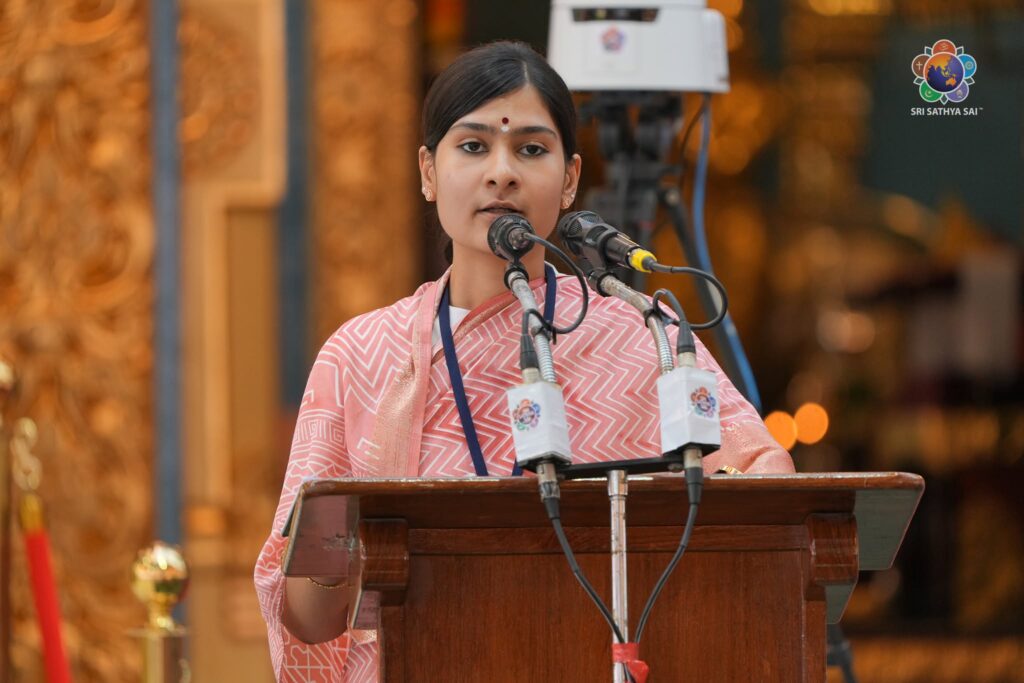
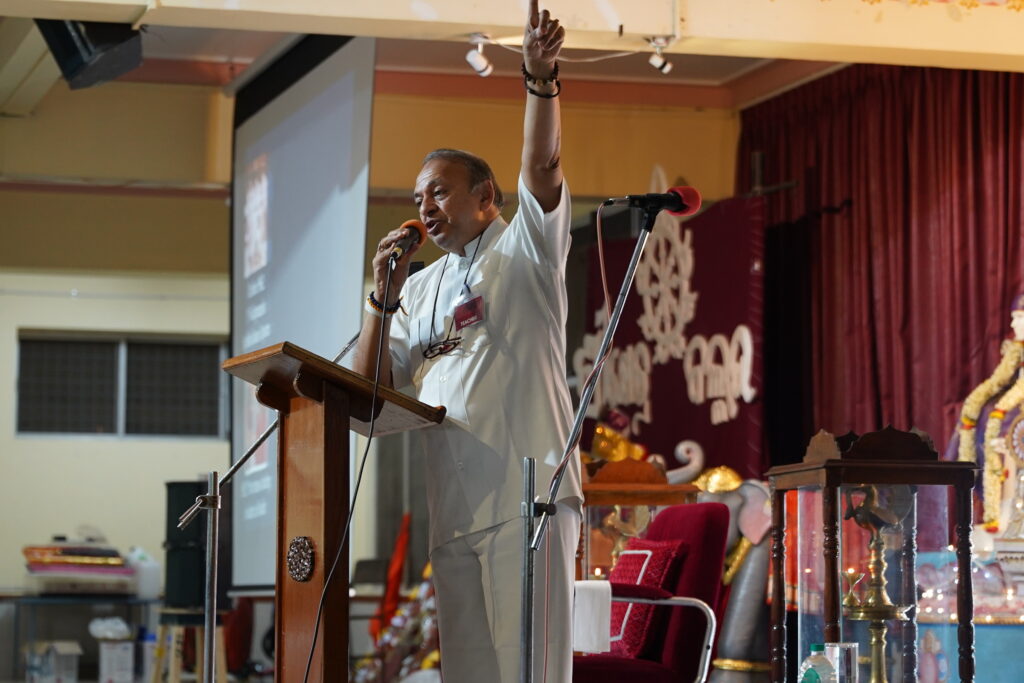
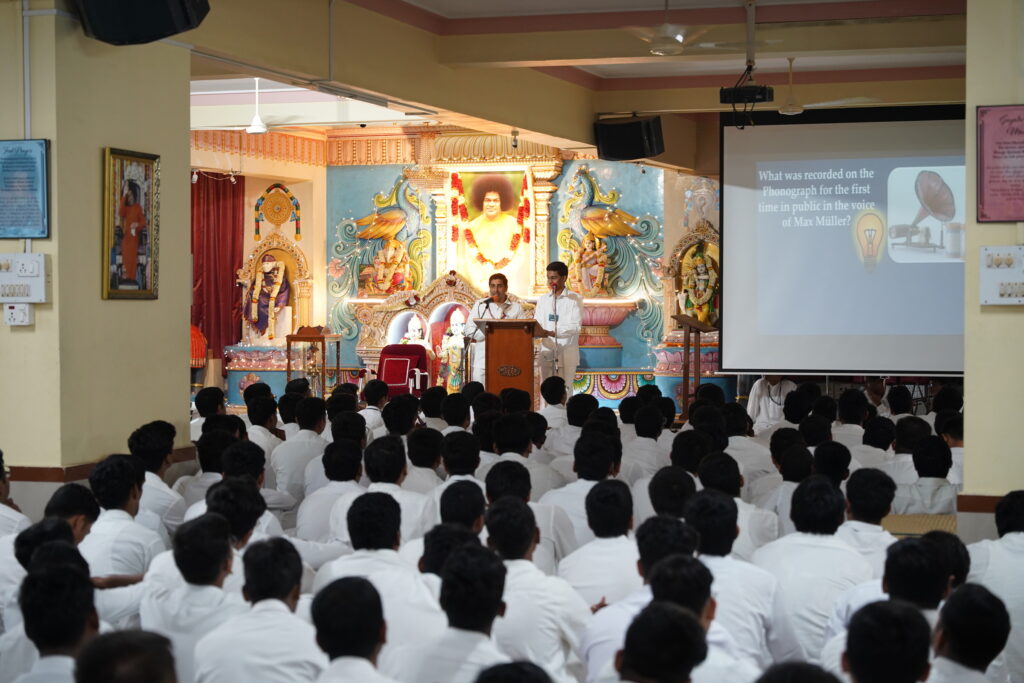
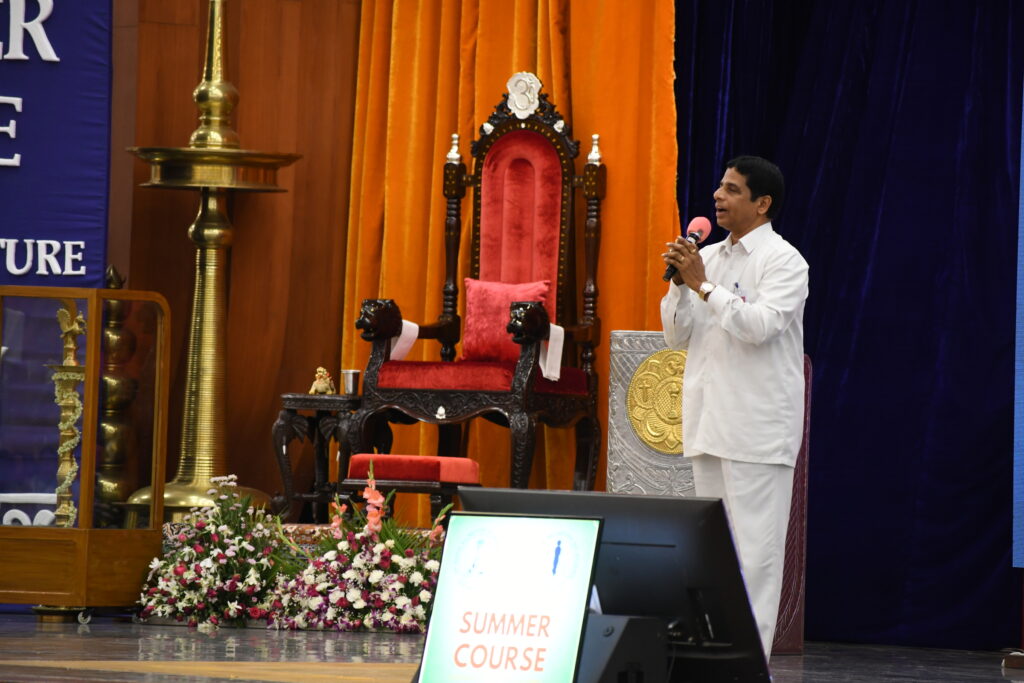
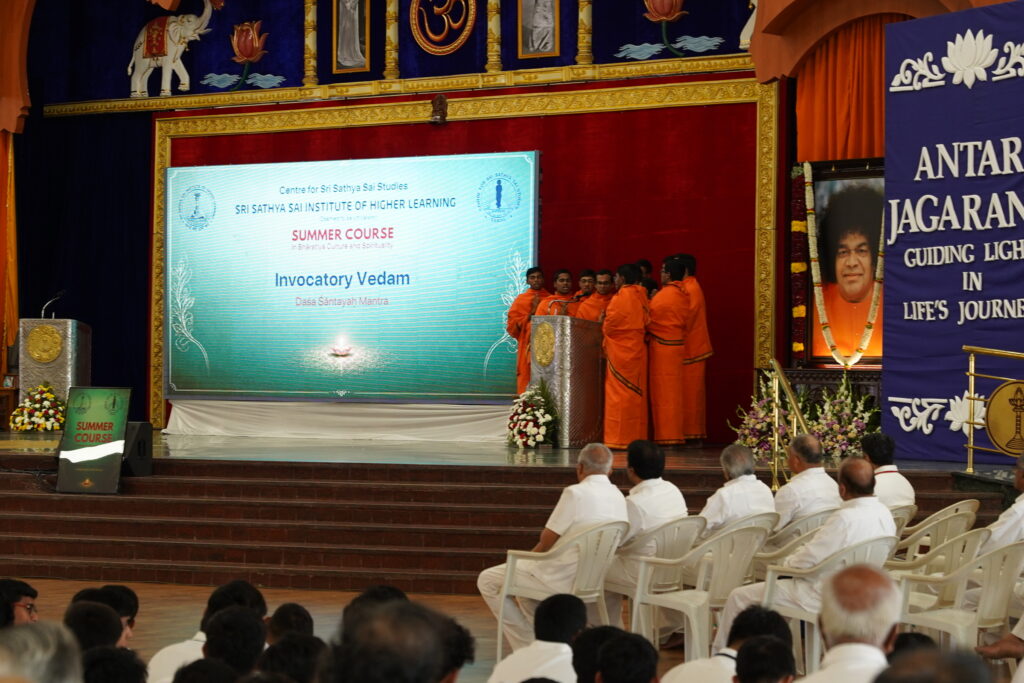
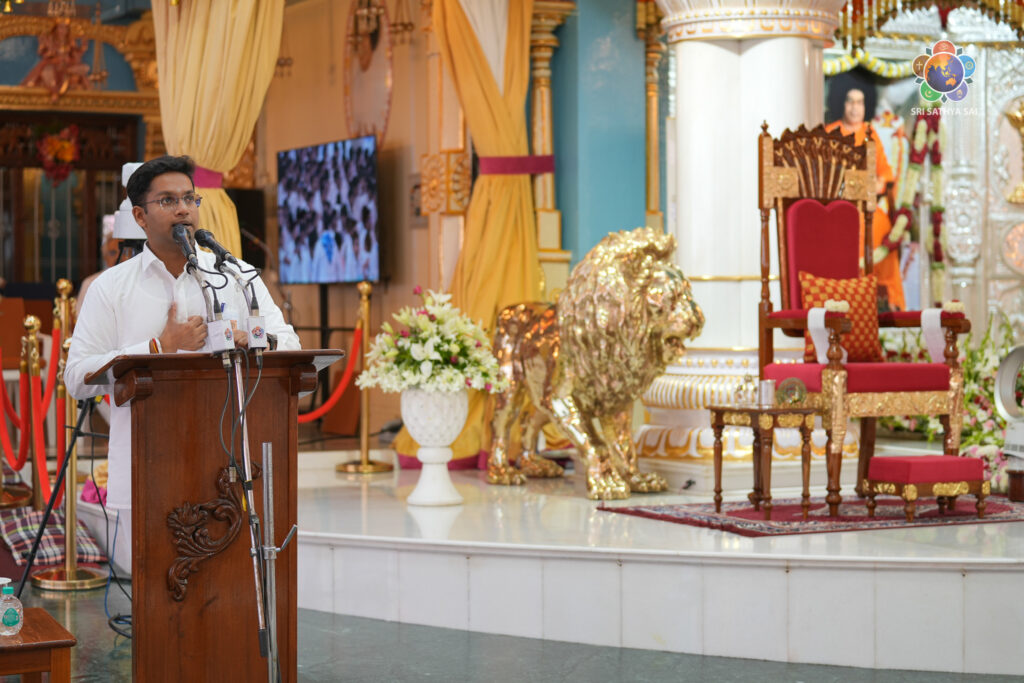
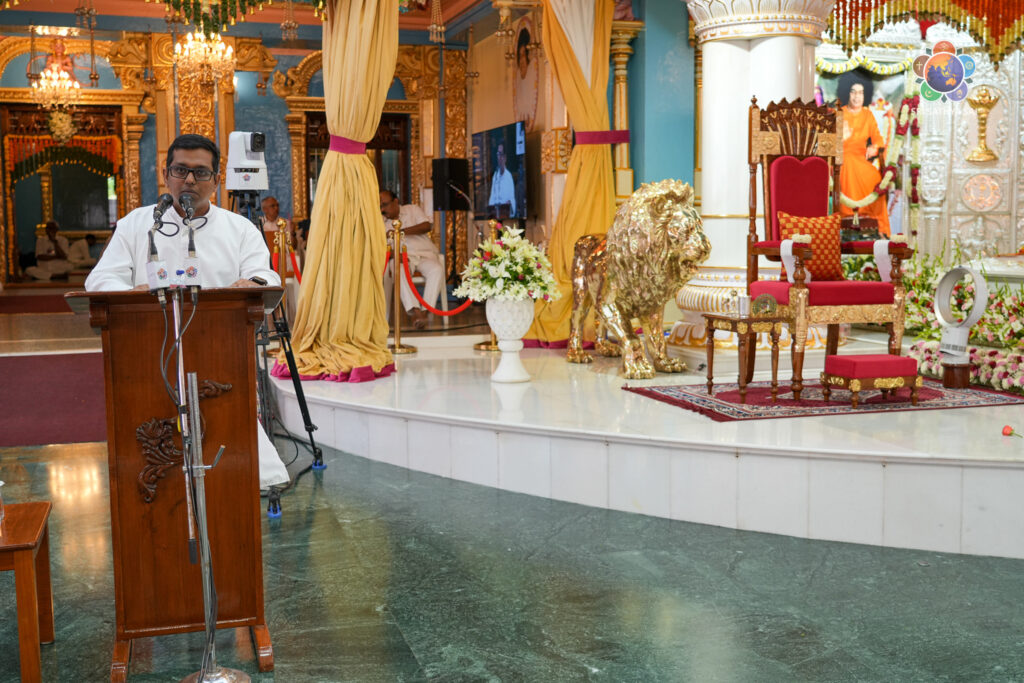
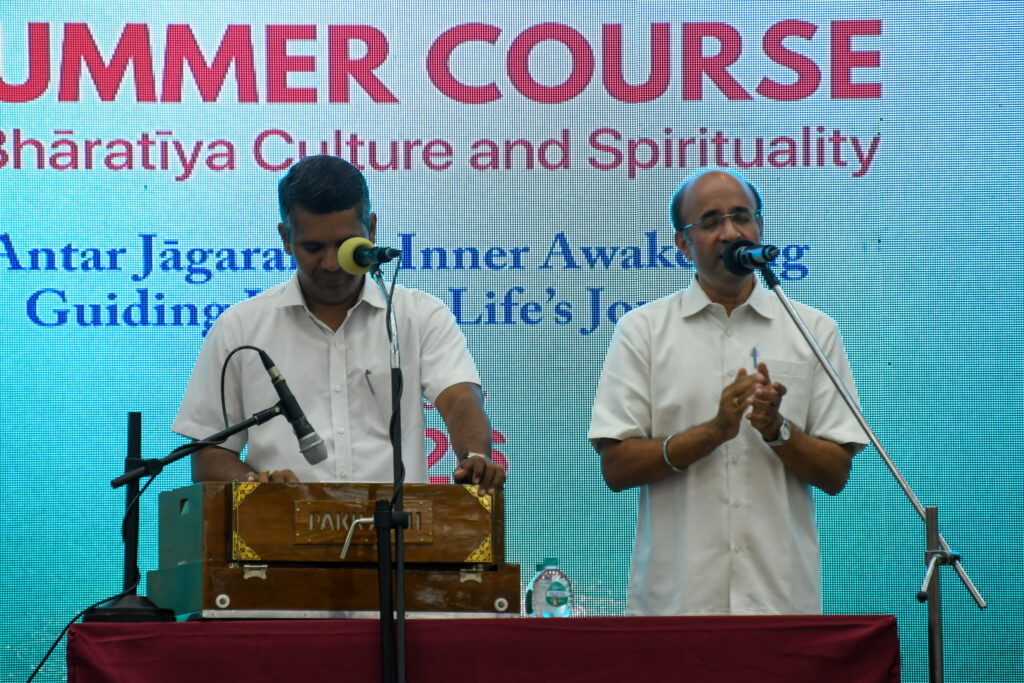
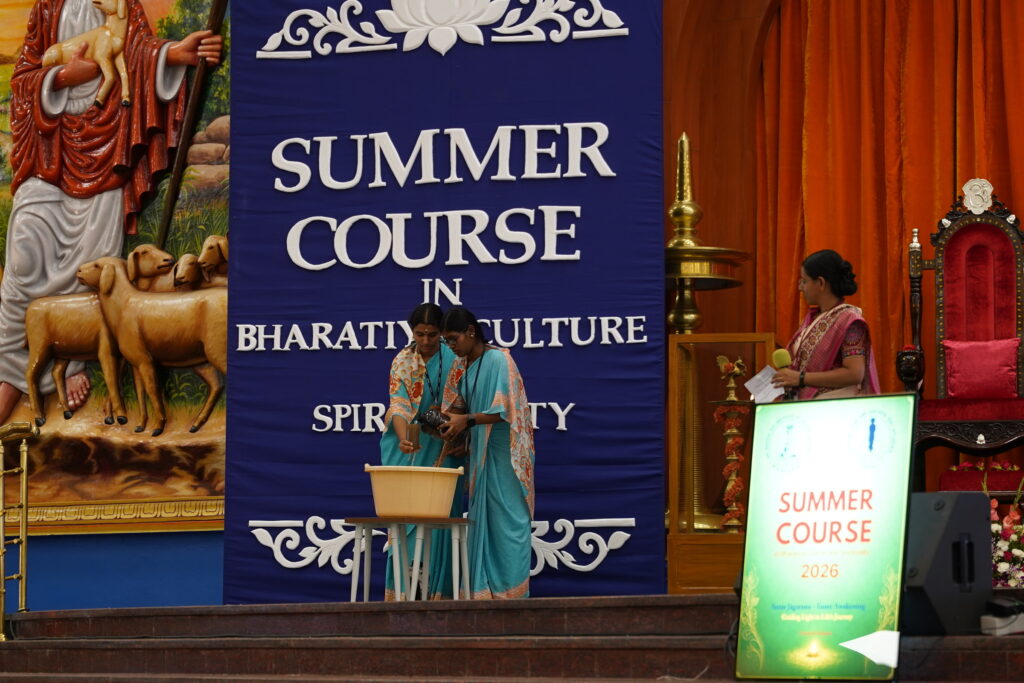
Summer Course in Bhāratīya Culture and Spirituality
The genesis of the Summer Course in Indian Culture and Spirituality dates back to the early seventies, when Bhagawan Baba organized Summer Courses in Indian Culture and Spirituality for the benefit of students. The course then was usually three to four weeks long and would typically consist of a series of lectures on Indian culture, the essence of the scriptures and other spiritual topics delivered by learned scholars, senior devotees and men of esteem. The highlight, however, was the daily discourse by Baba Himself, delivered typically in the evening. The Summer Courses in this format continued through the seventies; and after a brief hiatus (in the eighties), they continued into the nineties, until the last one in 2002.
A unique induction programme
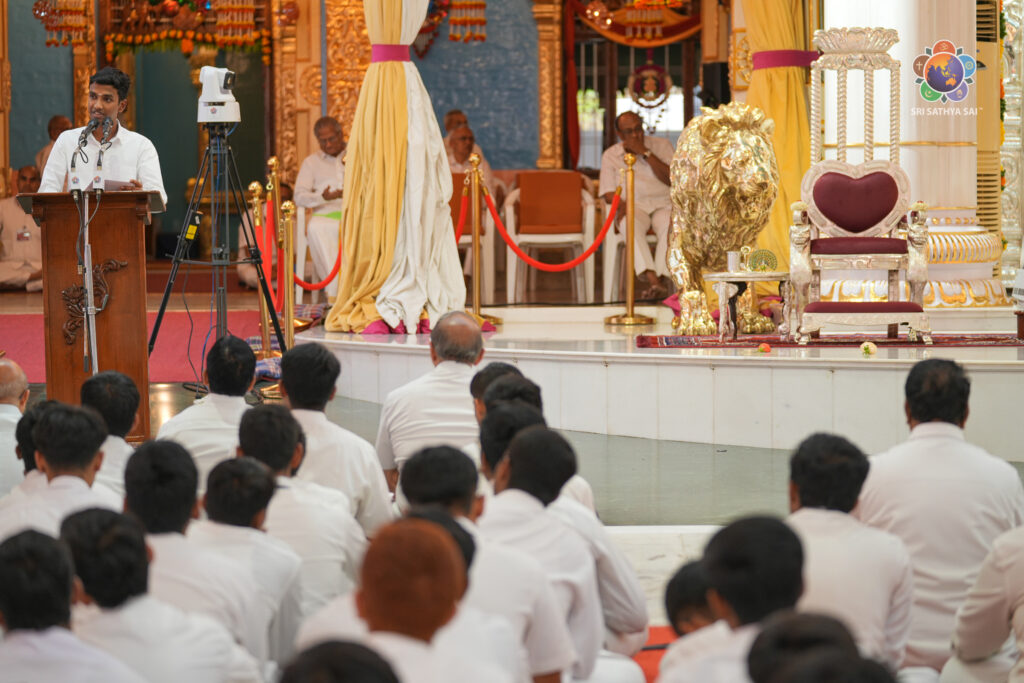
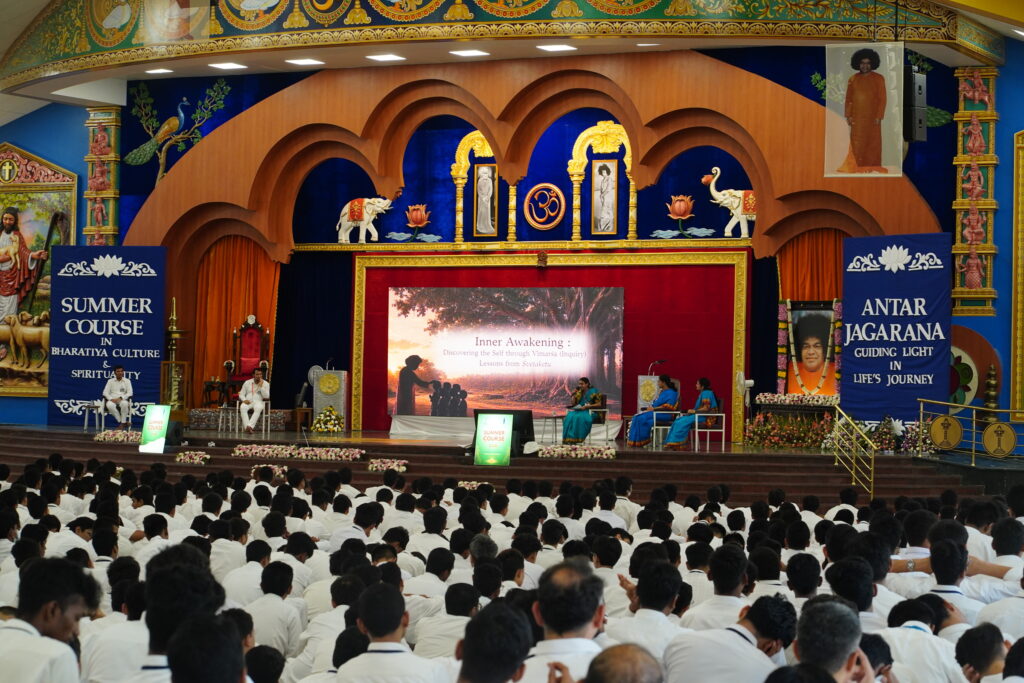
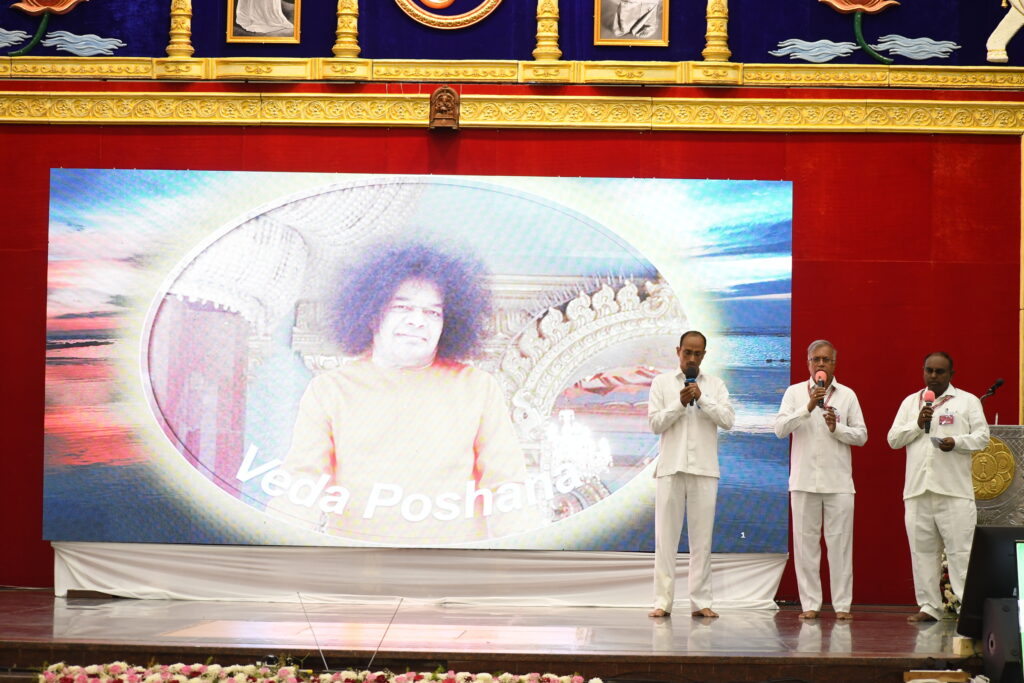
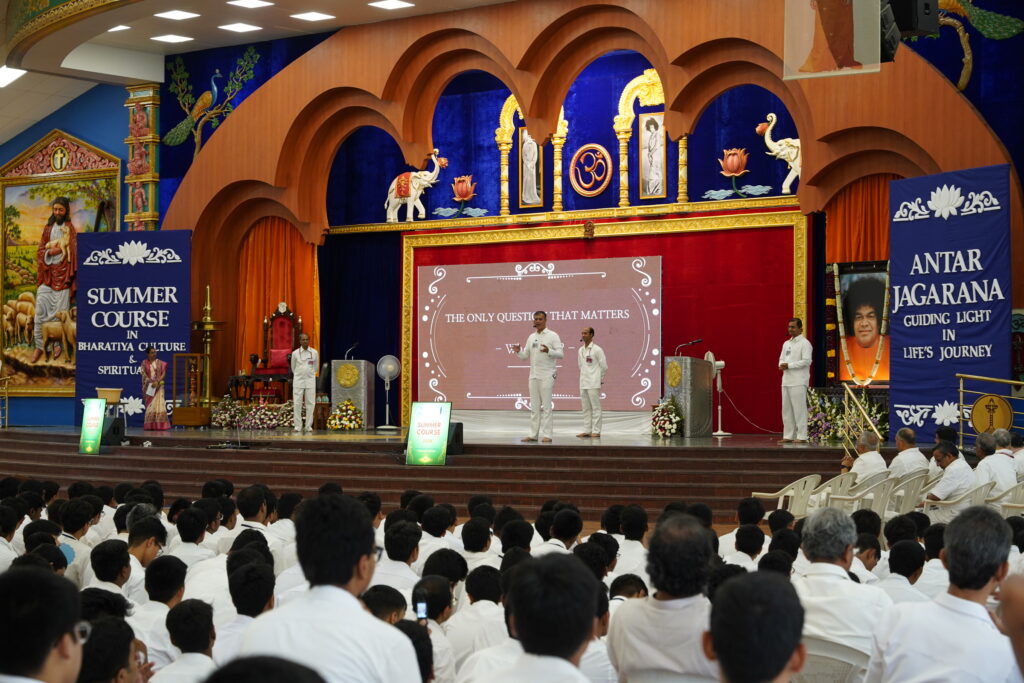
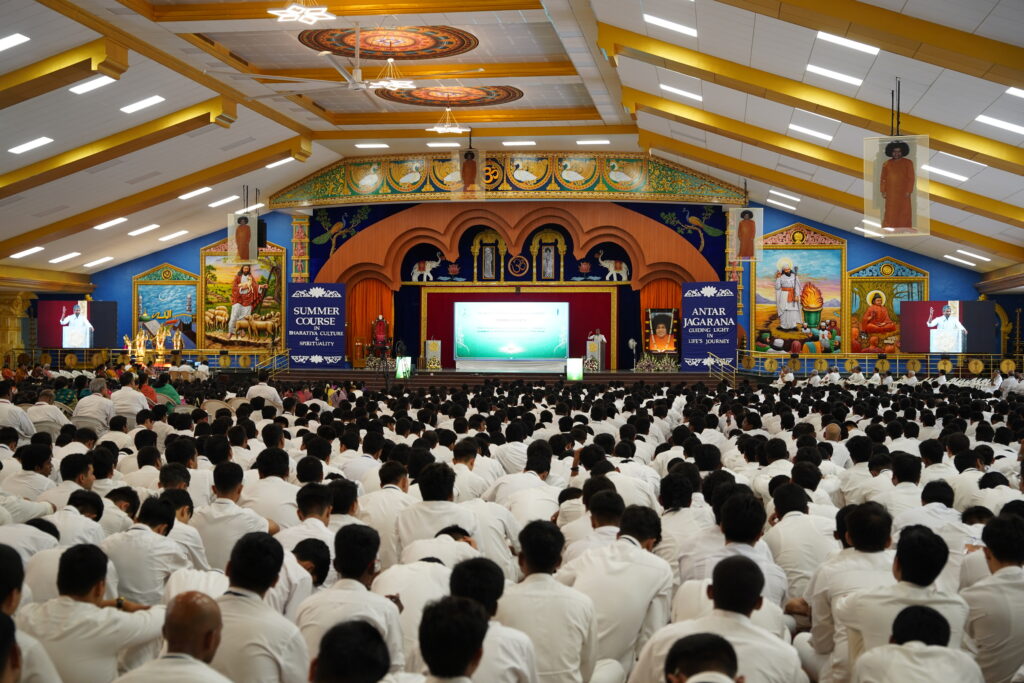
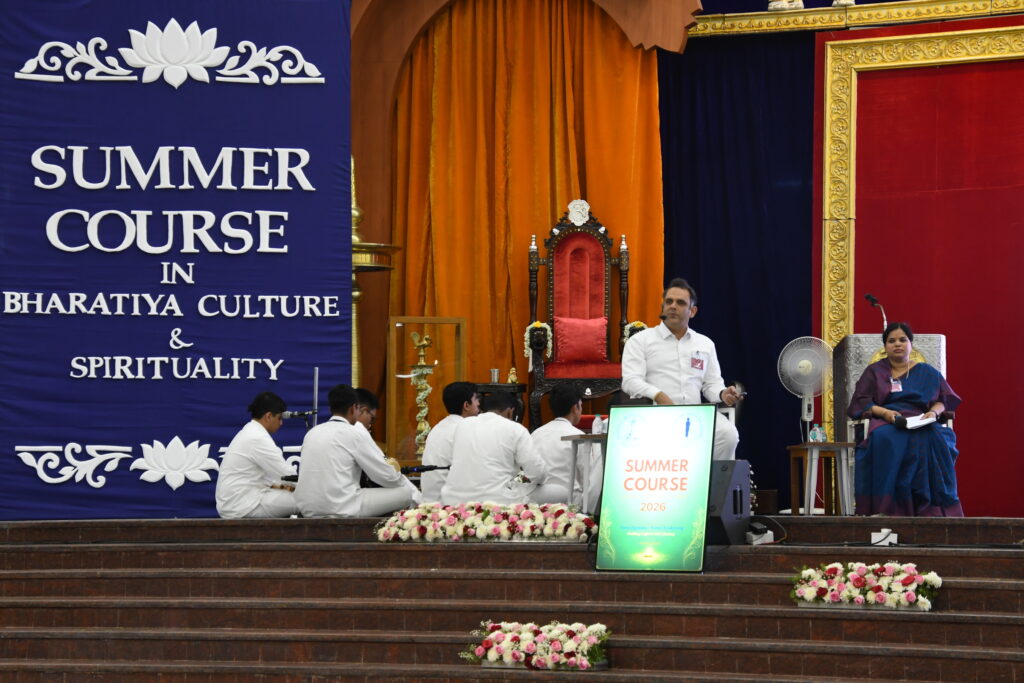
Now organized at the beginning of each academic year by Sri Sathya Sai Institute of Higher Learning (SSSIHL) as a three-day event, the Summer Course serves as an orientation programme that holds immense significance for both students and staff members. It imbues participants with the rich values and traditions of Indian culture and spirituality, fostering a holistic approach to education beyond academic excellence.
For students, the Summer Course is a transformative experience that integrates the essence of Indian ethos into their daily lives. Students gain a profound understanding of India’s spiritual heritage through lectures, discussions, and interactive sessions led by esteemed scholars and spiritual leaders. This exposure cultivates a deep sense of moral responsibility, discipline, and a strong ethical foundation, which are pivotal in their personal and professional growth. The programme also emphasizes the practice of human values such as truth, righteousness, peace, love, and non-violence, fostering a harmonious and compassionate outlook toward life.
Members of staff also benefit significantly from the Summer Course, which enhances their personal development and continuous learning. It equips them with the tools to mentor and guide students effectively, aligning with the institute’s mission of character building and academic excellence.
Summer Course 2026
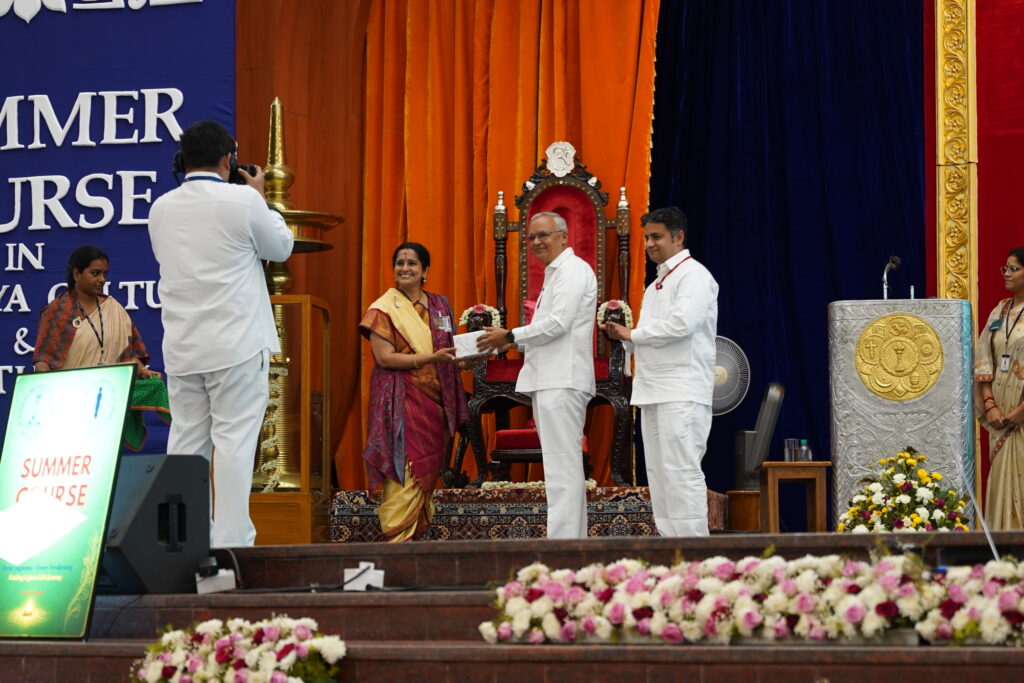
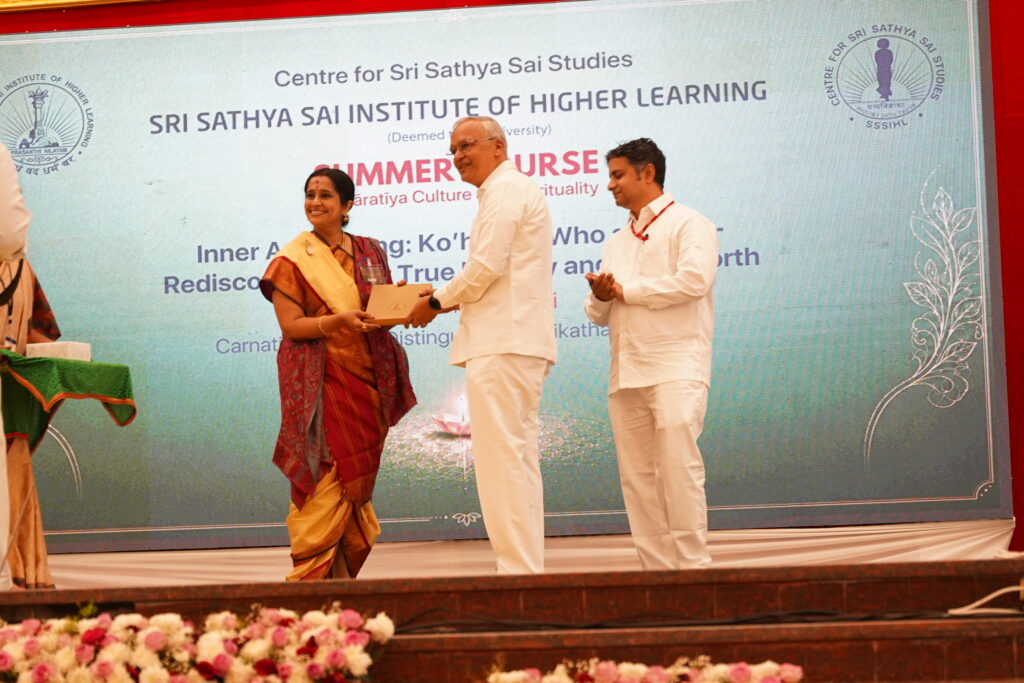
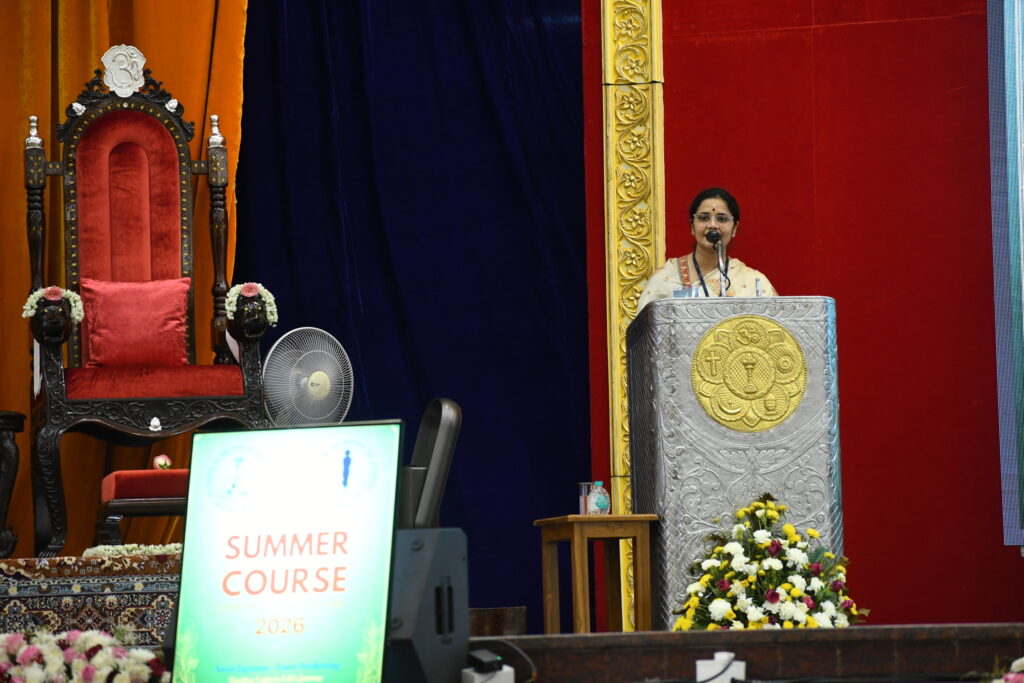
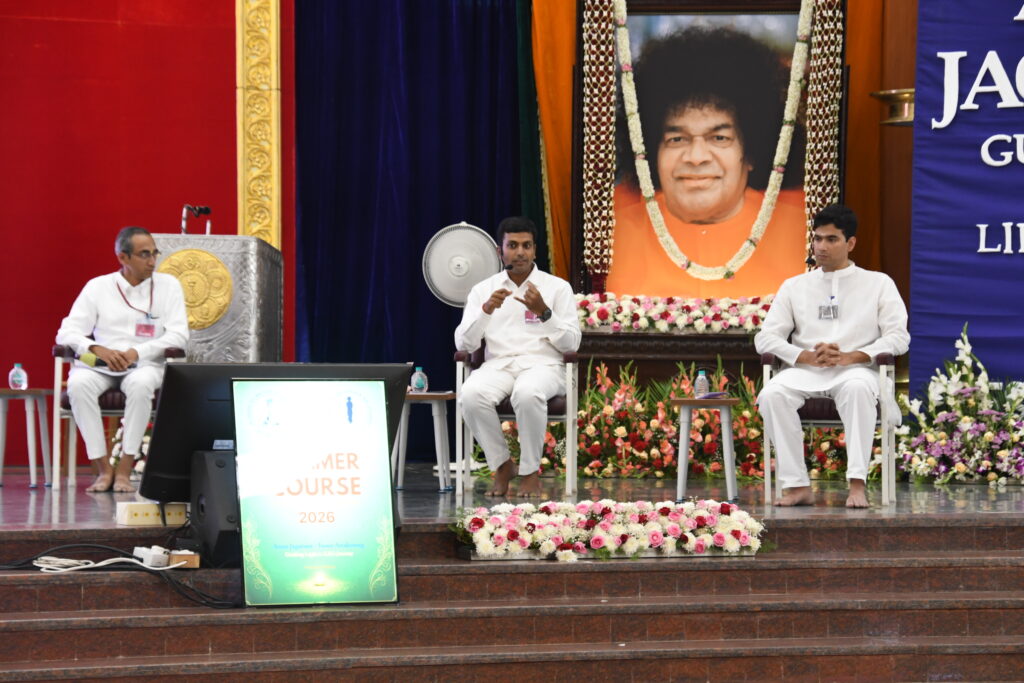
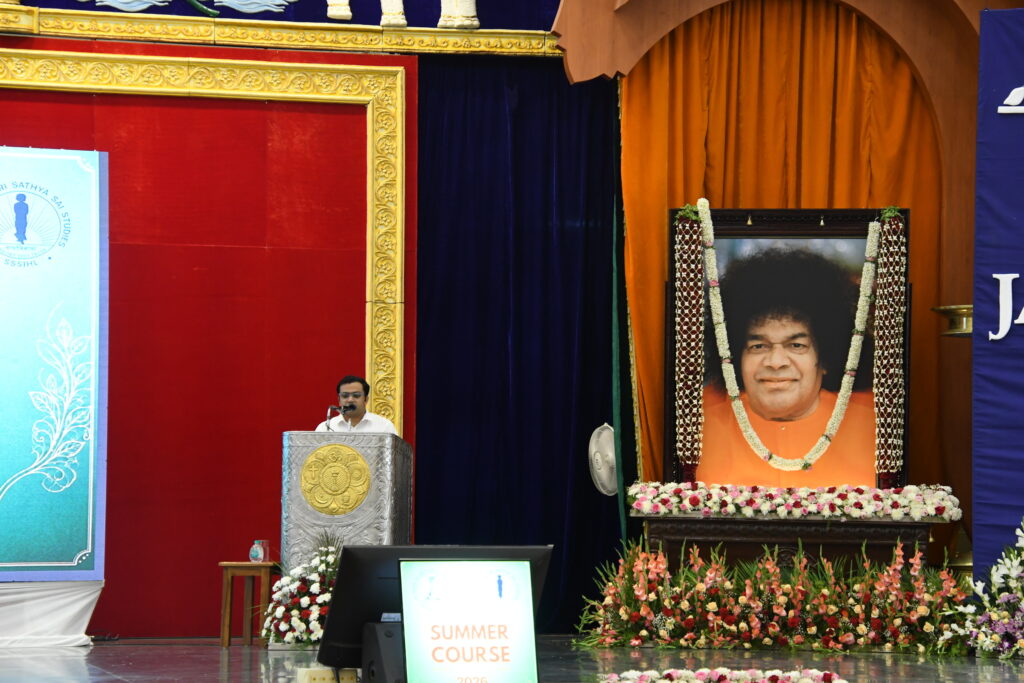
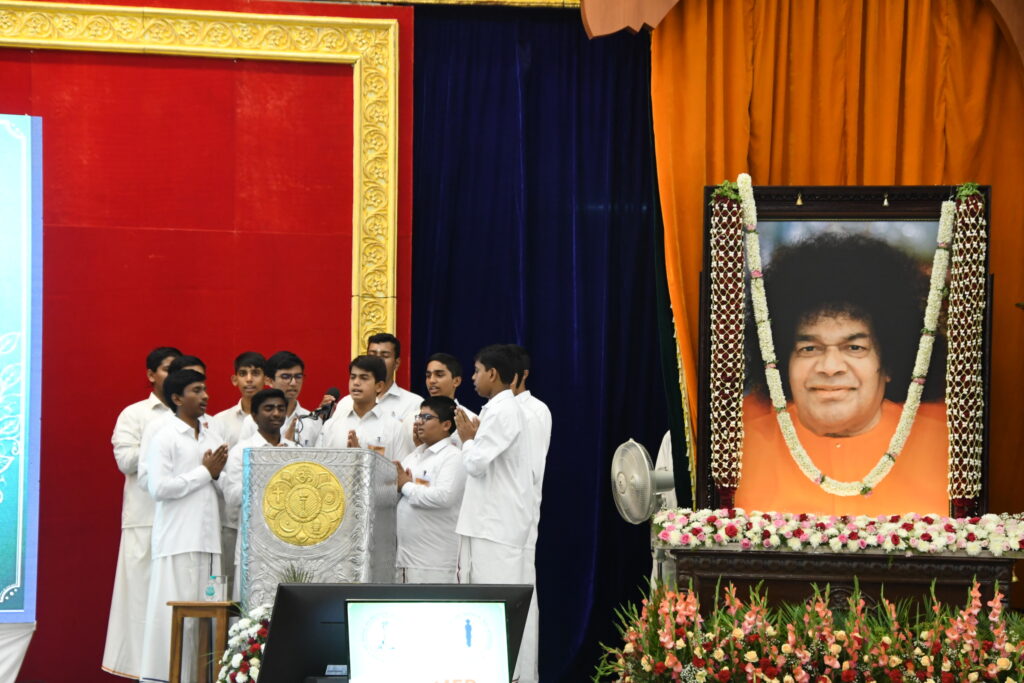
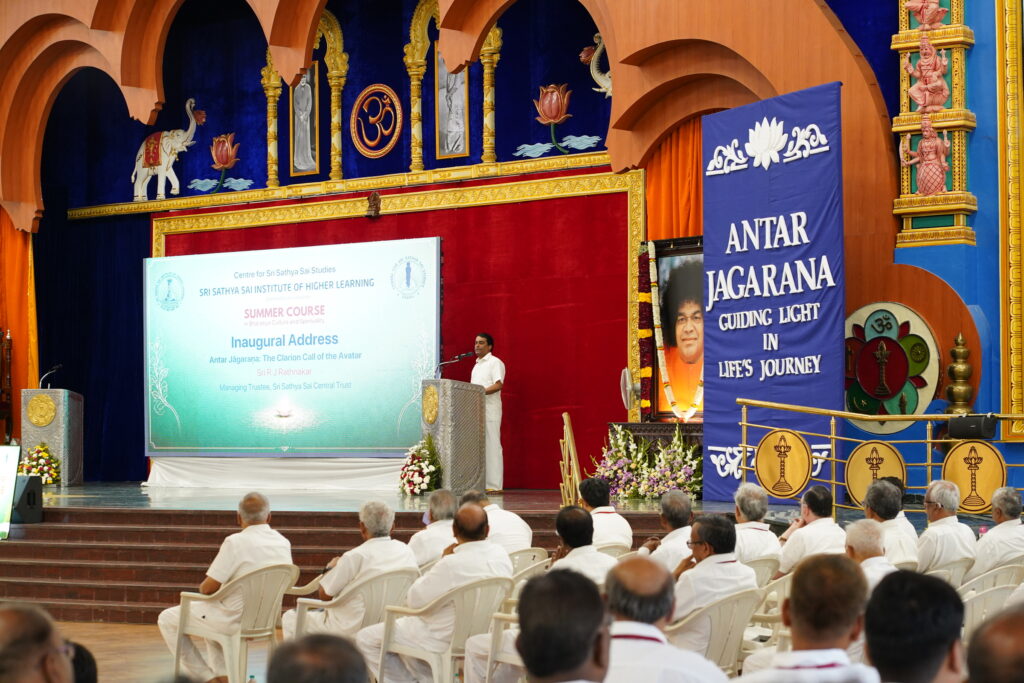
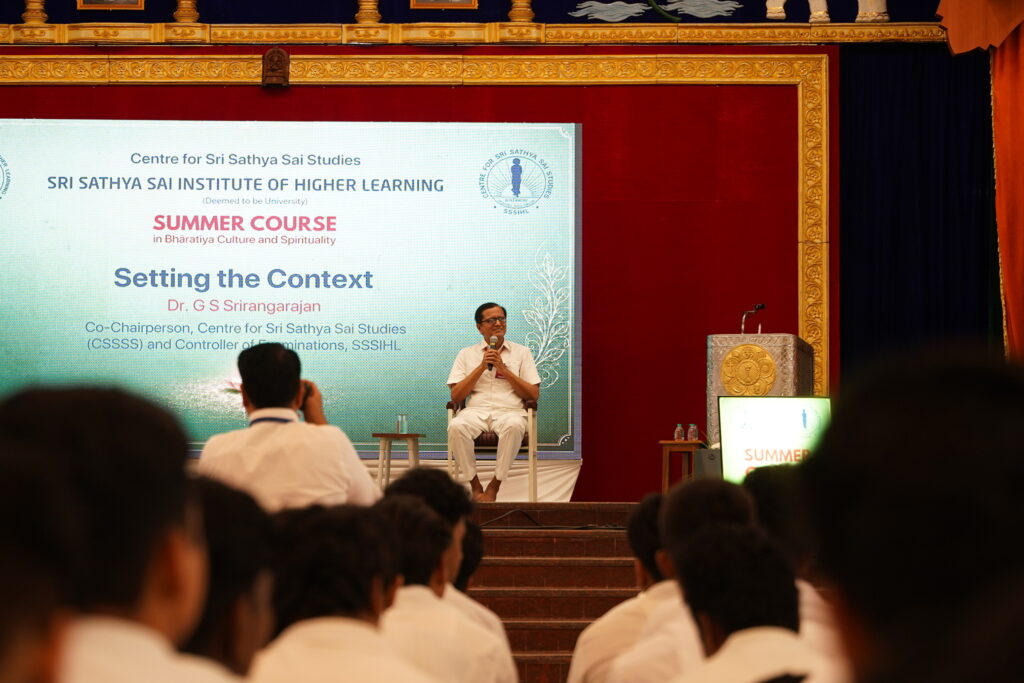
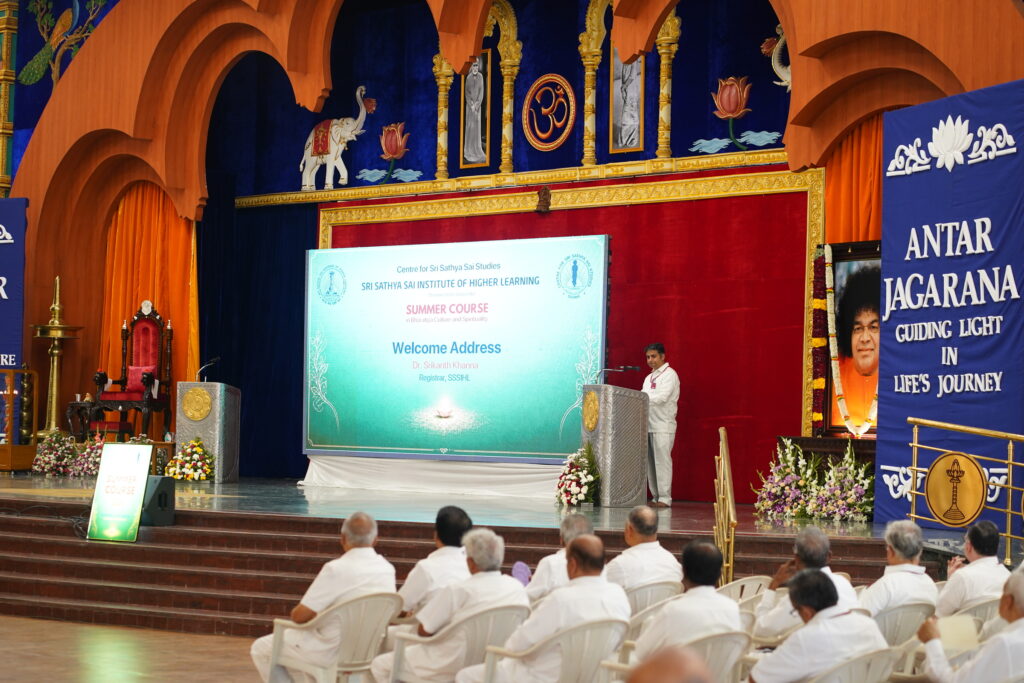
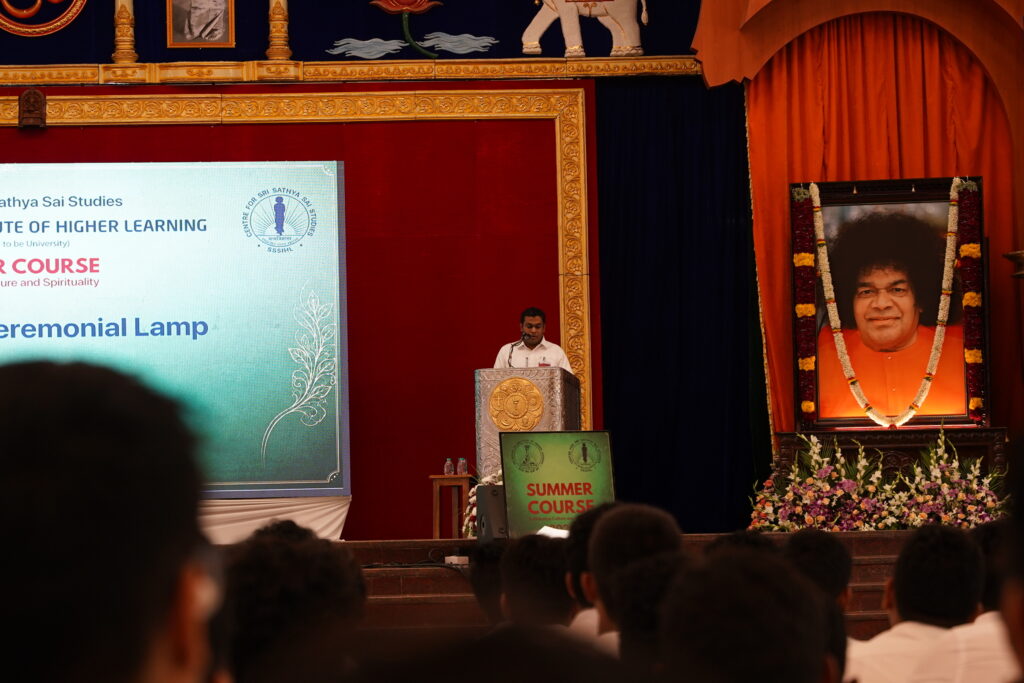
The Summer Course in Bhāratīya Culture and Spirituality will be held from 26 to 28 July 2026 at Prasanthi Nilayam.
The three day event will be attended by over 3000 staff and students of all SSSIHL campuses, XI-XII Std. students of Sri Sathya Sai Higher Secondary School (Girls and Boys Wings) and Smt. Eswaramma High School, as well as guest and delegates from Sri Sathya Sai Global Council (SSSGC) and Sri Sathya Sai Seva Organizations (SSSSO).
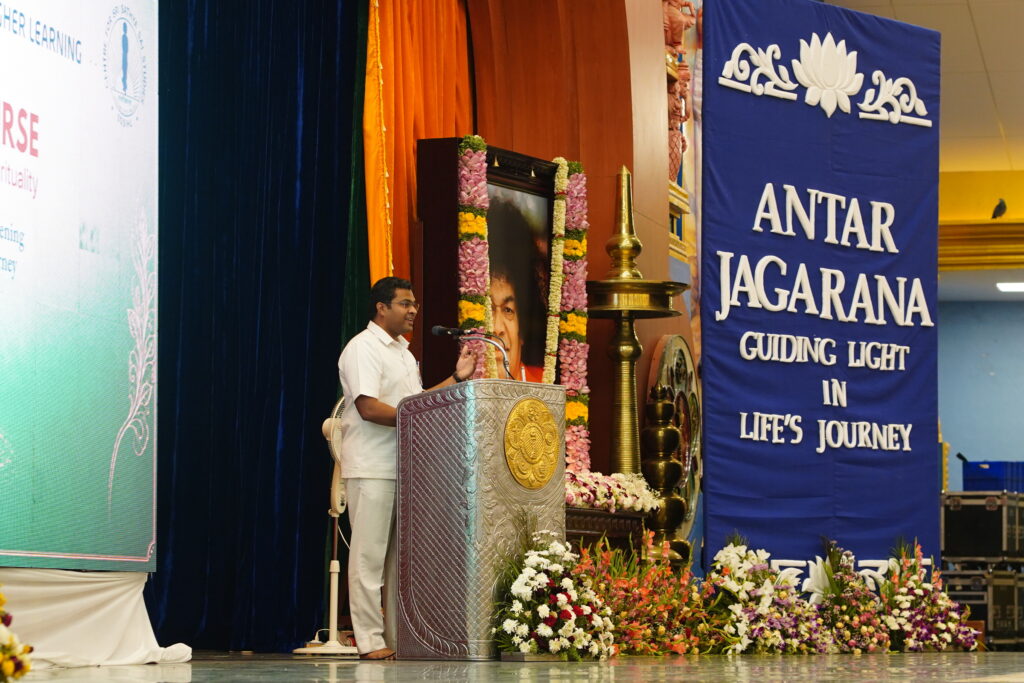
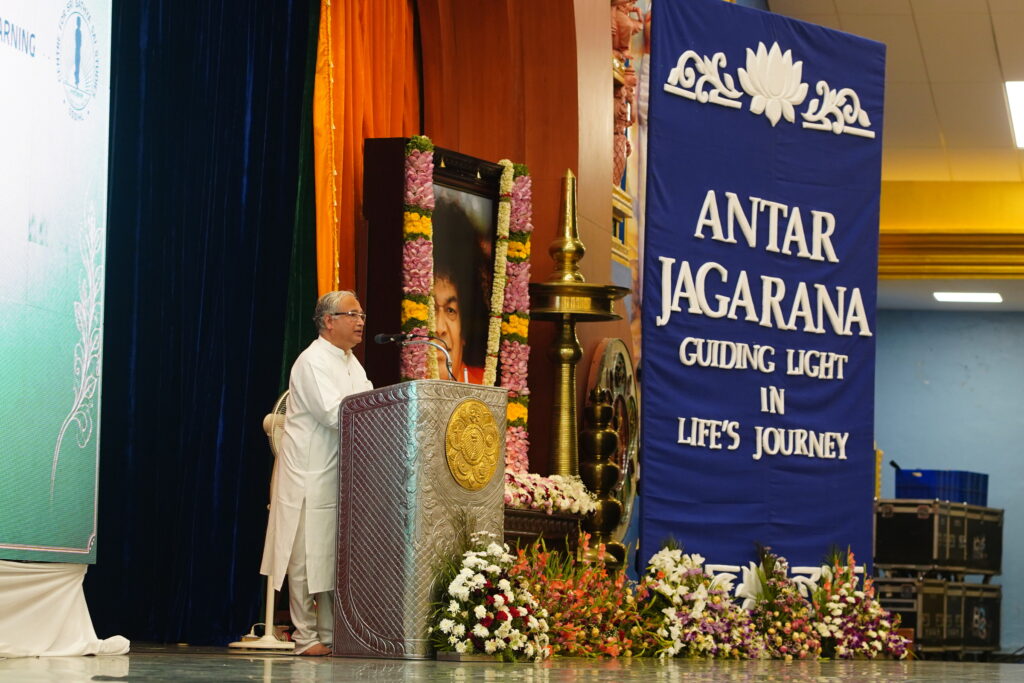
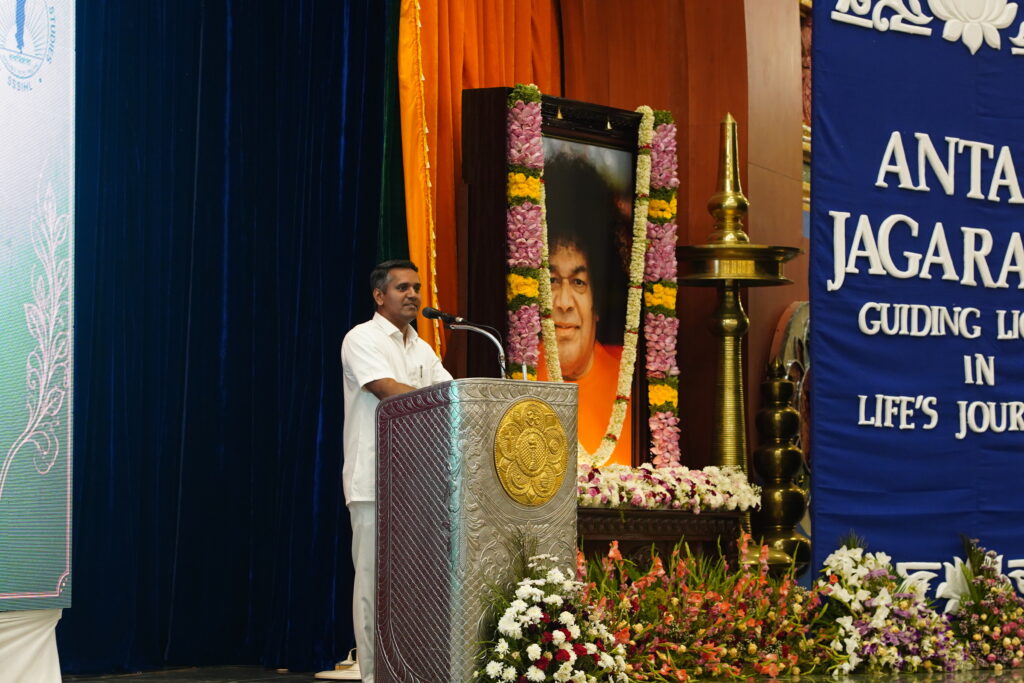
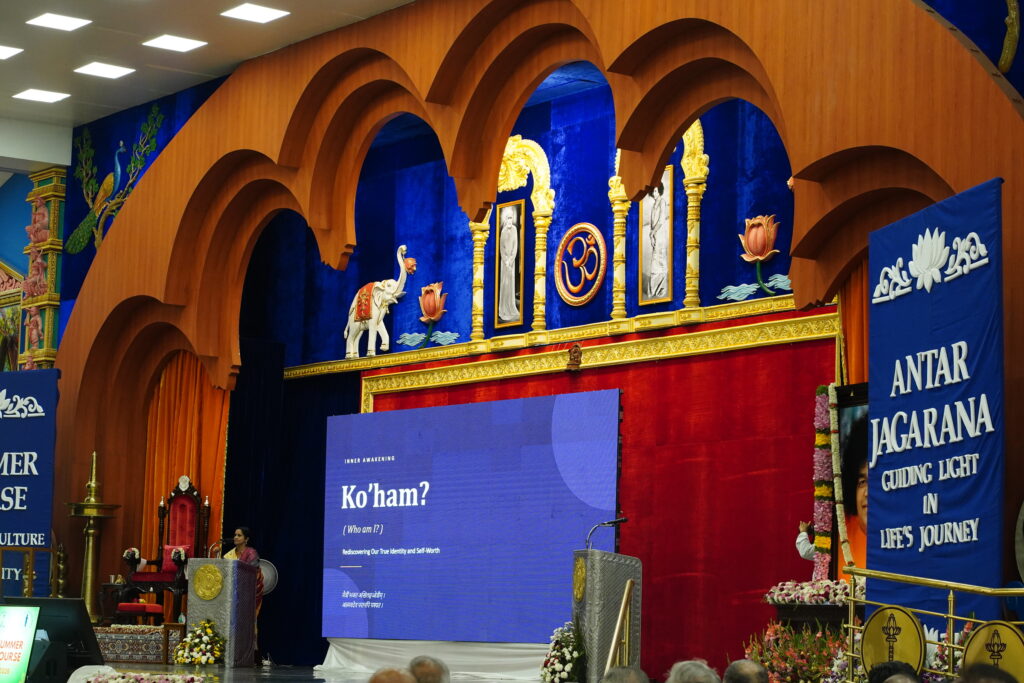
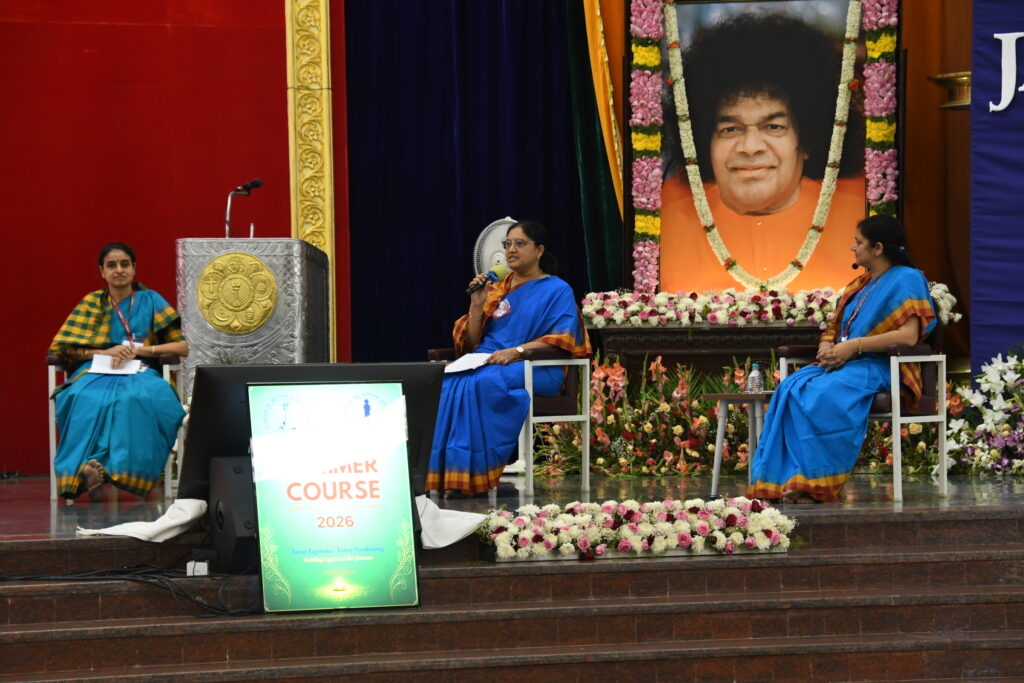
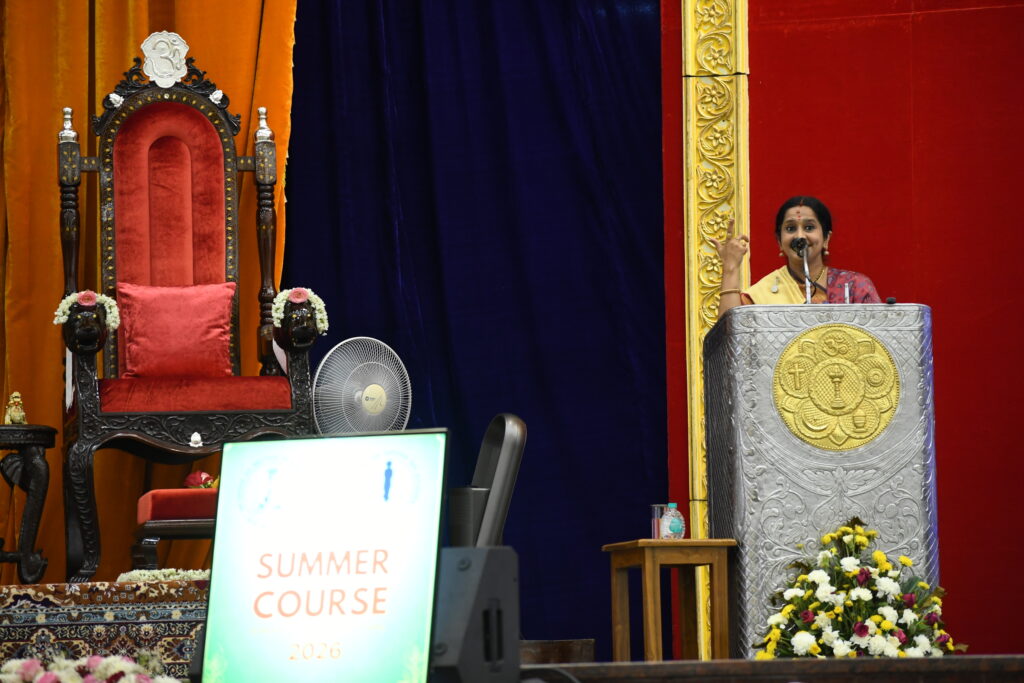
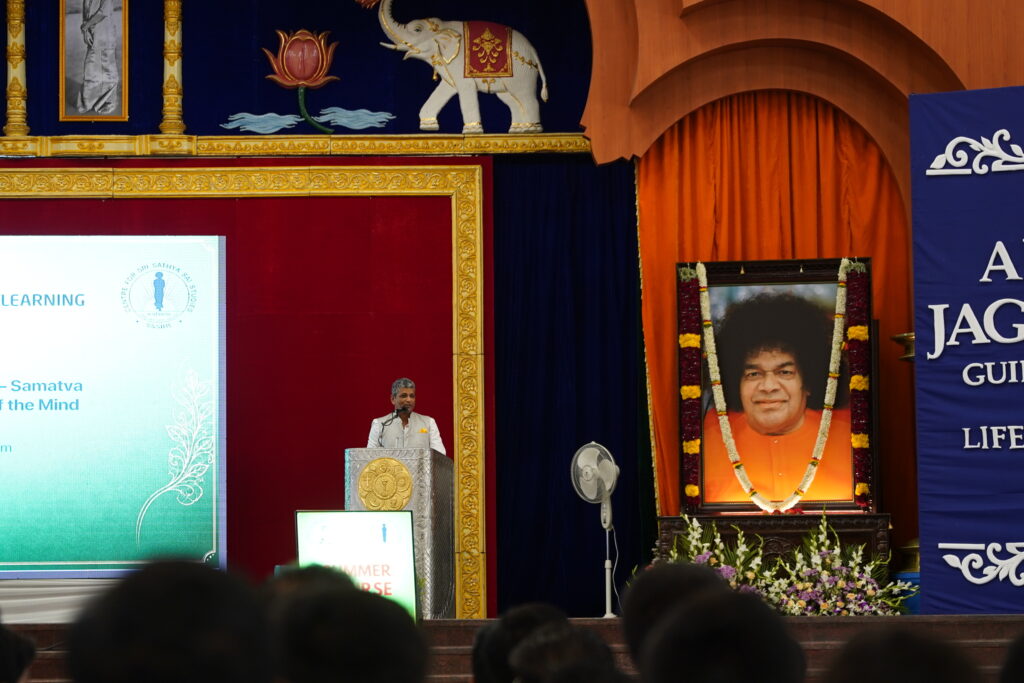
It will focus on discussions on the teachings on Indian culture and spirituality by our Revered Founder Chancellor, Bhagawan Sri Sathya Sai Baba led by SSSIHL students, doctoral research scholars and teaching faculty. It will also include talks and presentations by distinguished thought leaders, educationists and administrators, focusing on the role of universal human values in education, governance, social cohesion and ethical conduct.
Key Speakers
The list of key external speakers include:
- Sri Amol Anil Muzumdar, Head Coach, Indian Women’s Cricket Team
- Major General Ashish Shah, AVSM, SM
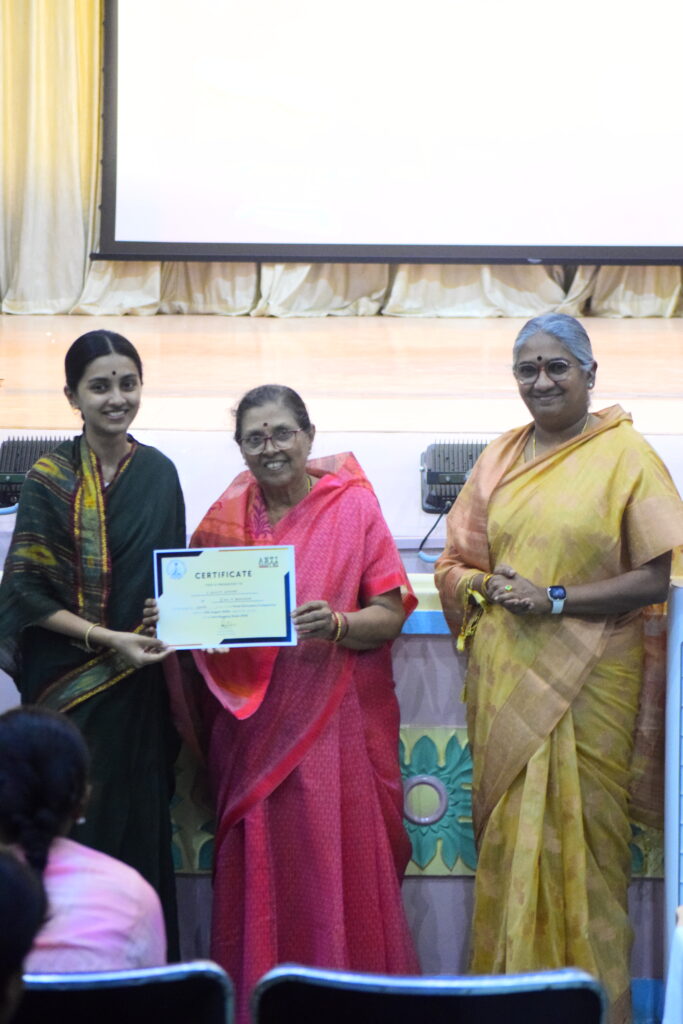
- Smt. Vishakha Hari, Carnatic Vocalist; Distinguished Harikathā Exponent
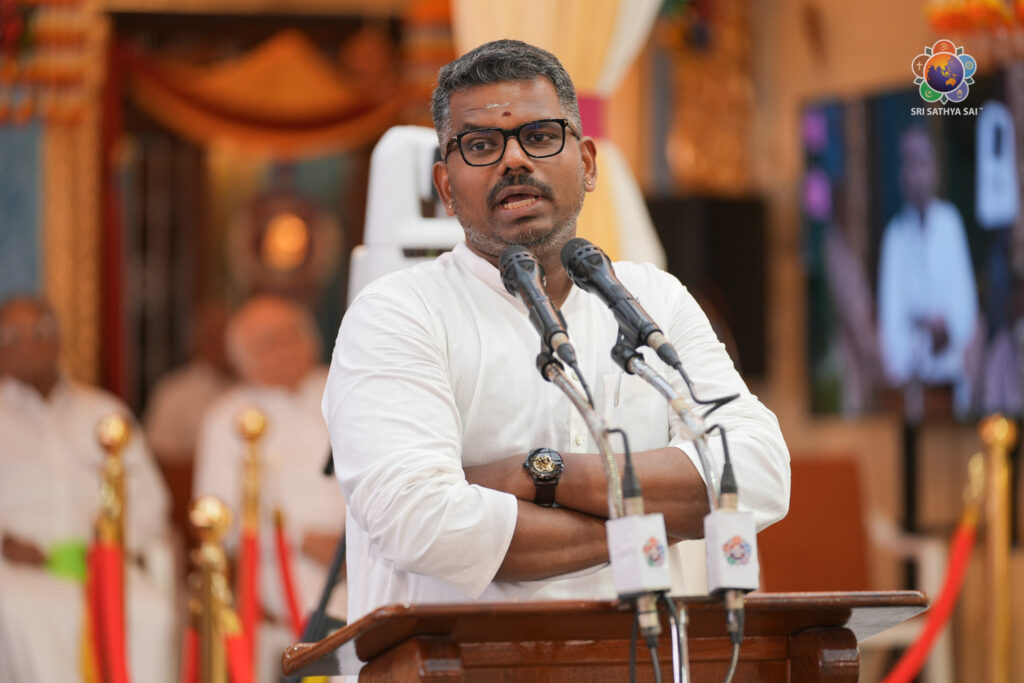
- Sri J Sai Deepak, Senior Advocate, Supreme Court of India and Delhi High Court, and Author
Kindly download the entire three-day event schedule below.
EVENT SCHEDULE
Personal Finance Webinar Series Continues – Understanding Mutual Funds
As part of the Sri Sathya Sai Centenary Year Celebrations, the Department of Management & Commerce, Sri Sathya Sai Institute of Higher Learning (SSSIHL), will conduct the second session of its Personal Finance Webinar Series on “Personal Finance – Mutual Funds – Part I” on 9 August 2026, from 10:00 a.m. to 12:00 noon, followed by an interactive Q&A session.
Designed to make personal finance accessible and easy to understand, the webinar aims to equip participants with practical knowledge on saving, growing, and protecting their money through mutual funds. The session will focus on safe wealth-building strategies and real-world financial concepts presented in simple, beginner-friendly language. The webinar is offered free of cost as part of SSSIHL’s commitment to promoting financial awareness.
The webinar will feature expert sessions by Dr. L. Goverthanan, Professor of Practice – Finance; Dr. Subramanian Iyer, MBA, FRM, Post Doctoral Fellow at ISB; and Sri Amrith Mukkamala, Investment Banker.
The programme is open to salaried employees, students, beginners, small business owners, homemakers, retirees, and anyone interested in developing sound financial habits and making informed investment decisions.
Register here: https://forms.gle/k8GJVnNZAzroUKUP7

New Molecular Design Improves the Efficiency and Stability of Next-Generation Solar Cells
Identifying the Issue
Perovskite solar cells (PSCs) are among the most promising next-generation photovoltaic technologies; however, their large-scale commercialization is hindered by the high cost, limited thermal stability, and significant interfacial energy losses associated with conventional hole-transport materials (HTMs), such as spiro-OMeTAD. Addressing these challenges requires the development of cost-effective, thermally robust, and highly efficient HTMs. This work demonstrates a rational molecular engineering strategy that enhances intramolecular charge transfer (ICT), optimizes energy-level alignment, and promotes defect passivation at the perovskite interface, resulting in improved device efficiency and long-term stability.
Objective of the Research
This work aimed to design and develop two novel electron-deficient tricyanofuran (TCF)-based hole-transport materials, RK7 and RK8, for high-performance perovskite solar cells. Density Functional Theory (DFT) and Time-Dependent DFT (TDDFT) calculations were employed to investigate their electronic structures, energy-level alignment, charge-transfer characteristics, and excited-state properties. The designed materials were subsequently synthesized, purified, and comprehensively characterized to evaluate their thermal, optical, electrochemical, photophysical, and charge-transport properties. Finally, perovskite solar cells incorporating RK7 and RK8 as hole-transport materials were fabricated and tested to assess their photovoltaic performance, defect passivation capability, and long-term operational stability.
Who should read this?
Faculty members, researchers, graduate students, and professionals working in the fields of Materials Chemistry, Energy Materials, Solar Energy Conversion, Organic Electronics, Computational Chemistry, and Materials Design.
Solution
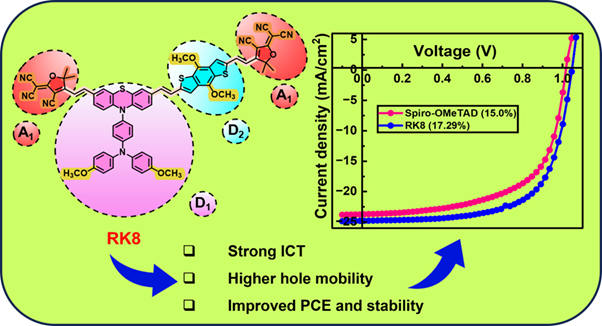
The rational design of advanced hole-transport materials (HTMs) is essential for improving the efficiency and stability of perovskite solar cells (PSCs). In this study, two novel tricyanofuran (TCF)-based HTMs, RK7 and RK8, were designed through a synergistic combination of DFT-guided molecular engineering and experimental validation. Incorporating an electron-deficient TCF acceptor significantly enhanced π-conjugation and intramolecular charge transfer, leading to favorable energy-level alignment and reduced interfacial energy losses. Both HTMs exhibited strong Lewis basicity, enabling effective defect passivation and improved perovskite film quality. Among them, RK8 demonstrated superior thermal stability (Td > 275 °C), higher hole mobility (1.15 × 10⁻³ cm² V⁻¹ s⁻¹), and enhanced conductivity (1.50 × 10⁻⁵ S cm⁻¹). PSCs employing RK8 achieved a champion power conversion efficiency (PCE) of 17.29%, minimal hysteresis (1.56%), and retained over 80% of their initial efficiency after 1512 hours, highlighting its potential as a durable and high-performance HTM for next-generation PSCs.
Key Features and Benefits
- Development of two novel donor–acceptor HTMs, RK7 and RK8, for efficient and stable perovskite solar cells.
- Demonstration of excellent agreement between DFT/TDDFT predictions and experimental observations, validating the computational design strategy.
- Enhanced π-conjugation and intramolecular charge transfer through incorporation of the electron-deficient TCF acceptor.
- Improved hole mobility, conductivity, thermal stability, and defect passivation characteristics compared to conventional HTMs.
- Provides a cost-effective molecular engineering approach for developing durable, high-performance PSCs
Impact
- High Device Efficiency: RK8-based PSCs achieved a champion PCE of 17.29%.
- Reduced Hysteresis: Devices exhibited a low hysteresis index of 1.56%, indicating efficient charge extraction and reduced defect-assisted recombination losses.
- Outstanding Stability: RK8-based PSCs retained more than 80% of their initial efficiency after 1512 hours of storage.
- Accelerated Materials Discovery: Strong agreement between theoretical predictions and experimental results demonstrates the effectiveness of DFT-guided materials design.
- Advancing Sustainable Energy: The developed HTMs offer a promising pathway toward commercially viable, stable, and high-performance perovskite solar technologies
Team
Ravikumar Gurusamy, Vidya Sudhakaran Menon, Mainak Mukherjee, Gowri Chandran Chandrakumar Veena, Sivasankar Parameswaran, Arya Kamal, Karnamaharaja Duraimani, Gurusamy Thangavelu Senthil Andavan, V. N. Ravi Kishore Vutukuri*, and Ananthanarayanan Krishnamoorthy*
Title of paper: “Rational Design of Electron-Deficient Tricyanofuran-Based Hole Transport Materials for Stable Perovskite Solar Cells: Combined DFT and Experimental Insights”
Read Paper Here: https://doi.org/10.1021/acsaem.6c00552

SSSIHL Signs MoU with SURE Trust to Enhance Skill Development, Industry Readiness, and Research Opportunities
The Sri Sathya Sai Institute of Higher Learning (SSSIHL) signed a Memorandum of Understanding (MoU) with SURE Trust (Skill Upgradation for Rural Youth Empowerment Trust), Prasanthi Nilayam, on 4 July 2026 to foster skill development, experiential learning, research, and innovation among students.
The MoU was exchanged between Prof. B. Raghavendra Prasad, Vice Chancellor, SSSIHL, and Prof. Radha Kumari Challa, Founder & Executive Director, SURE ProEd (a unit of SURE Trust), in the presence of Dr. Srikanth Khanna, Registrar, SSSIHL, Ms. Vandana Nagesh, Co-founder & Director, SURE ProEd, and the Trustees of SURE ProEd—Sri Amar Vivek, Sri Chandramohan, Sri Krishna Kanth, and Sri Ramachandran.
The occasion was graced by Sri K. Chakravarthi, IAS (Retd.), Chancellor, SSSIHL.
Rooted in the shared ideals of Bhagawan Sri Sathya Sai Baba—discipline, service, character, and nation-building—the collaboration seeks to bridge academic learning with industry-oriented skill development while preserving the independent functioning of both institutions.
Under the MoU, SURE Trust will offer free, six-month, credit-based online internships in emerging technologies for eligible SSSIHL students, particularly those pursuing B.Tech, M.Tech, MCA, MBA, and other relevant postgraduate programmes. The internship comprises four months of structured technical training delivered by experienced industry professionals, followed by two months of capstone project implementation with continuous mentorship.
The collaboration also envisages opportunities for outstanding student projects to be further developed through SURE Trust’s Research Cell, where they will receive guidance from industry experts and academicians to transform innovative ideas into research-driven solutions with academic and societal impact. The partnership further provides a framework for future collaboration in certification, innovation, research, and employability initiatives, subject to the policies and mutual agreement of both institutions.
Beyond technical learning, the programme places strong emphasis on holistic development through structured life skills and soft skills training that strengthens communication, teamwork, leadership, ethics, adaptability, and emotional resilience. Students will also be encouraged to undertake community service initiatives that reinforce social responsibility alongside professional competence.
SSSIHL will facilitate student participation, academic coordination, and communication of programme requirements, while SURE Trust will be responsible for training delivery, mentoring, evaluation, certification, and maintaining high standards of discipline and ethical conduct throughout the internship.
The partnership reflects the shared commitment of SSSIHL and SURE Trust to nurture technically competent, value-based professionals equipped with strong character, leadership qualities, and a spirit of selfless service, thereby contributing meaningfully to national development.

SSSIHL and MITRAZ Foundation Sign MoU to Advance Values-Based Service Learning in Government Schools
The Sri Sathya Sai Institute of Higher Learning (SSSIHL) and MITRAZ Foundation formalized a collaborative partnership through the signing of a Memorandum of Understanding (MoU) to jointly promote values-based education, youth development, and meaningful community engagement.
The MoU was exchanged between Prof. B. Raghavendra Prasad, Vice-Chancellor, SSSIHL, and Prof. Sharada Subramanian, Chairperson, MITRAZ Foundation, in the presence of Dr. Srikanth Khanna, Registrar, SSSIHL, Ms. Savitha Ranganathan, Secretary, MITRAZ Foundation, and Dr. Paramesh Gadige, Assistant Professor, Department of Physics, SSSIHL.
The collaboration centres on the MITRAZ First Steps – Connect, Bond, Grow programme, an initiative that will engage SSSIHL students as volunteers in Government schools while contributing to the holistic development of students from Classes VI to X. The programme seeks to strengthen communication, analytical, and life skills through structured, activity-based and experiential learning, while cultivating socially conscious leadership and self-transformation among university students through meaningful service.
Under the partnership, MITRAZ Foundation will design and implement the programme in partner Government schools, provide orientation and guidance to student volunteers, ensure programme quality and safeguarding, and secure the necessary approvals from the relevant government authorities. SSSIHL will facilitate student participation by nominating volunteers and internship participants, support programme orientation, encourage the integration of service learning with academic engagement wherever feasible, and provide faculty coordination as required.
The two institutions will jointly support programme implementation, monitoring, documentation, and continuous improvement, with future expansion into additional experiential learning initiatives to be undertaken through mutual agreement.
Rooted in their shared commitment to values-based education and service to society, the partnership reflects the vision of both SSSIHL and MITRAZ Foundation to nurture compassionate, socially responsible young leaders while creating a meaningful and lasting impact in Government schools and the communities they serve.
Read More
New Natural Compound Shows Promise Against Colon Cancer
Identifying the Issue
- Cancer is the most feared and deadly disease worldwide.
- Treatment of cancer is limited because of the limited functional molecules available.
Objective of the Research
To synthesize novel amide derivatives of arjunolic acid and to study their anti-cancer properties.
Who should read this?
Research community working in anti-cancer drug development, medicinal chemists, and pharmaceutical industry
Solution
Development of nontoxic small molecules, based on natural product scaffolds, with high therapeutic effect and selectivity.
Key Features and Benefits
- The synthesized amides of arjunolic acid show promising anti-cancer properties.
- Arrest the cell cycle of cancer cells at the G0/G1
- These compounds have improved anti-cancer properties than arjunolic acid.
Impact
- Potent compounds from this study have better anti-cancer properties than the parent compound arjunolic acid.
- Effective against colon cancer.
- Animal models also prove that these derivatives can inhibit the growth of colon cancer.
- Lead compounds from this study offer new and more effective treatment options for colon cancer.
- This work has been published on the cover page of Current Medicinal Chemistry
Team
Manohar Bhujel, Shalu Kaloniya, Lakshminath Sripada, Dolly Jain, Avinash Bajaj, Nageswara Rao Golakoti. *
Title of paper: “Amide Derivative of Arjunolic Acid TA-1,4-BiP Enhances ROS mediated Apoptosis in Colorectal Cancer Cells”
Read Paper Here: http://dx.doi.org/10.2174/0109298673348718250109142630
From Ayurveda to Modern Medicine: The Therapeutic Potential of Terminalia arjuna
Identifying the Issue
Terminalia arjuna and its major constituents are well known for their medicinal properties for various ailments. However, a comprehensive review of the complete literature was not available.
Objective of the Research
To provide all the scientific information available for Terminalia arjuna and arjunolic acid till date as a comprehensive review.
Who should read this?
Faculty, research scholars, natural product chemists, pharmaceutical industries, and students of Medicinal and Organic chemistry
Solution
Plants have long been a primary source of natural products for medicine. Terminalia arjuna, a deciduous tree native to the Indian subcontinent, is renowned for its diverse biological properties, such as anticancer, anti-diabetic, and cardioprotective effects. Various parts of this tree have been used to treat numerous ailments such as cancer, diabetes, inflammation, and microbial infections, as mentioned in ancient medicinal texts such as Ayurveda and Charaka Samhita. Arjunolic acid, a pentacyclic triterpene, is a major constituent of T. arjuna, and exhibits a plethora of biological properties such as anti-cancer, anti-diabetic, anti-inflammatory, and antioxidant activities. Diverse research groups have utilized arjunolic acid as a template for synthesizing various semi-synthetic derivatives, which have been evaluated for their anti-cancer, anti-diabetic, and antioxidant properties. This review comprehensively compiles and discusses the literature related to T. arjuna, arjunolic acid and its derivatives, focusing on their medicinal properties and the mechanism of their biological activities.
Key Features and Benefits
We report the comprehensive and through review on works that have been done so far on Terminalia arjuna and arjunolic acid by various research groups. Since there has been quite an interest in arjunolic acid recently, this review will definitely help those researchers to understand the literature better and can serve as a guide for further research in this area.
Impact
- This review gives full knowledge about the work done on T.arjuna and arjunolic acid.
- The potential of these will be known from this review. This knowledge will also help to know the scope for further research on T.arjuna and arjunolic acid.
Team
Manohar Bhujel, Sai Giridhar Sarma Kandanur, Lakshminath Sripada, and Nageswara Rao Golakoti *
Title of paper: “A comprehensive review of the medicinal properties of Terminalia arjuna and its major constituent arjunolic acid: a natural product source for new drug leads”
Read Paper Here: https://doi.org/10.1039/D6RA02419J

Exploring Safer Alternatives to Toxic Plasticizers in Blood Bags – A Molecular Dynamics Study
Identifying the Issue
Polyvinyl chloride (PVC) requires plasticizers to achieve flexibility for applications such as medical devices and packaging. However, commonly used plasticizers like DEHP pose toxicity risks due to leaching. Selecting safe and compatible alternatives remains challenging because the molecular-level interactions governing performance are not fully understood.
Objective of the Research
To systematically investigate and quantify the molecular-level interactions between polyvinyl chloride (PVC) and a range of plasticizers through atomistic simulations, with the goal of identifying safer, sustainable, and high-performance alternatives to conventional toxic plasticizers.
Who should read this?
This work is intended for faculty members, research scholars, and students in the fields of computational chemistry, materials science, polymer science, and chemical engineering. It is also relevant to researchers and industry professionals involved in polymers, plastics, leachables and extractables studies, and advanced materials development.
Solution
This study employs atomistic molecular dynamics (MD) simulations combined with potential of mean force (PMF) calculations to analyze interactions between PVC chains and 14 different plasticizers across multiple chemical families. The research develops a validated model that correlates PMF profiles with intermolecular interaction forces, primarily governed by van der Waals and electrostatic contributions. By systematically evaluating PVC chains of varying lengths (6–20 repeat units) and averaging results over 30 independent simulations, the study provides robust insights into how plasticizer molecular structure influences binding affinity and compatibility. The findings rank plasticizers based on interaction strength and identify promising alternatives such as TOTM, BTHC, ATHC, and DEHT. This computational framework enables predictive screening of plasticizers, reducing reliance on experimental trial-and-error while supporting the design of safer and more efficient PVC materials.
Key Features and Benefits
- Enhances understanding of structure–performance relationships in PVC–plasticizer systems
- Develops a robust full-atomistic molecular dynamics (FAMD) simulation framework for analyzing polymer–plasticizer interactions at the molecular level
- Identifies safer and more sustainable alternatives to toxic conventional plasticizers such as DEHP
- Provides insights into how plasticizer structural features influence interactions with PVC and affect material performance
- Supports the rational design of novel high-performance plasticizers with the potential to replace DEHP
Impact
- Facilitates the design and development of novel, safer plasticizers with the potential to replace conventional toxic plasticizers such as DEHP
- Supports the identification of environmentally friendly and biocompatible plasticizer alternatives, contributing to improved human health and safety
- Provides a computational screening framework that significantly reduces the time, cost, and experimental effort required for evaluating polymer–plasticizer compatibility and performance
- Advances sustainable material innovation in the polymer and plastics industries by enabling the development of high-performance, low-toxicity materials
- Generates molecular-level insights into PVC–plasticizer interactions, aiding researchers and industries in optimizing material properties for diverse industrial applications
Team
Sai Athmeeya G. Shet – https://in.linkedin.com/in/saiathmeeya
(Department of Chemistry, Sri Sathya Sai Institute of Higher Learning)
V. N. Ravi Kishore Vutukuri – https://in.linkedin.com/in/v-n-ravi-kishore-v-5996146
(Department of Chemistry, Sri Sathya Sai Institute of Higher Learning)
Collaborators:
Jan-Michael Y. Carrillo – https://www.linkedin.com/in/janmikel
(Center for Nanophase Materials Sciences, Oak Ridge National Laboratory, United States)
Jacek Jakowski – https://www.linkedin.com/in/jacek-jakowski-23572712
(Computational Sciences and Engineering Division, Oak Ridge National Laboratory, United States)
S. S. R. Kumar Challa – https://www.linkedin.com/in/kumar-challa-4a30284
(Xheme Inc., Massachusetts, United States)
Title of paper: “Investigating PVC polymer–plasticizer interactions with atomistic MD simulations and potential of mean force calculations”
Read Paper Here: https://doi.org/10.1039/D5CP04798F
Venezuela’s Acting President Ms. Delcy Rodríguez Visits Sri Sathya Sai Institute of Higher Learning
07 June 2026 – Prasanthi Nilayam, Andhra Pradesh, India:
Sri Sathya Sai Institute of Higher Learning (SSSIHL) was honoured to welcome and host Her Excellency Delcy Rodríguez, Acting President of the Bolivarian Republic of Venezuela, at the SSSIHL Administrative Office, Vidyagiri, Prasanthi Nilayam, Puttaparthi, on June 7, 2026.
Sri R. J. Rathnakar, Managing Trustee of the Sri Sathya Sai Central Trust, accompanied H.E. Ms. Rodríguez to the SSSIHL Administrative Office, where she was accorded a warm welcome by the Vice-Chancellor, Prof. B. Raghavendra Prasad, Registrar, Dr. Srikanth Khanna, and other senior members of the Institute.
Following the welcome address by the Vice-Chancellor, the delegation was presented with an overview of the evolution and accomplishments of SSSIHL, highlighting its distinctive approach to integral education, pioneering research initiatives, academic excellence, societal impact, and strategic roadmap for the future.
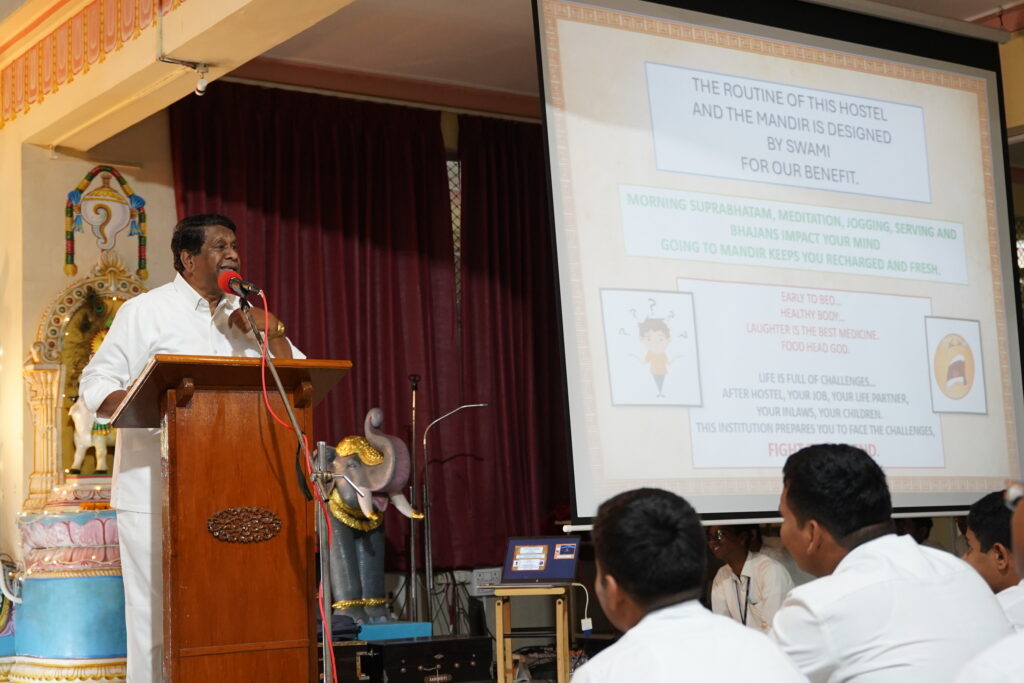
In her address, H.E. Ms. Rodríguez expressed her gratitude to Bhagawan Sri Sathya Sai Baba for providing her with the opportunity to visit the Institute and Prasanthi Nilayam. She appreciated SSSIHL’s unique philosophy of values-based integral education and showed keen interest in the Institute’s diverse research initiatives. Highlighting the challenges and crisis confronting contemporary education systems across the world, she underscored the urgent need for an education rooted in human values. She commended SSSIHL for successfully integrating academic excellence with character development and recognized the transformative impact of its educational model on individuals and society.
The visit provided an opportunity for meaningful interactions and exchange of ideas, reflecting the universal values of education, service, and human excellence that form the foundation of SSSIHL.
Notes for Editors (About Sri Sathya Sai Institute of Higher Learning)
Sri Sathya Sai Institute of Higher Learning (SSSIHL), a Deemed to be University in Prasanthi Nilayam, Puttaparthi, Andhra Pradesh, India, is one of the few institutions in the world offering values-based education to students at the University level, ever since its inception in 1981. Ethics and morals form the undercurrent of every subject taught at the institute providing its students with a holistic framework of interpersonal development combined with academic excellence. With a merit-based, open admissions policy, SSSIHL welcomes students from all backgrounds—irrespective of income, religion, or region—and provides quality education free of charge.
SSSIHL has four campuses across Andhra Pradesh and Karnataka, attracting students from all over India and offering a range of programmes at the undergraduate, postgraduate, professional, and research levels.
SSSIHL also provides a strong research environment, with exceptional academic practices, that have resulted in the growth of national and international collaborations. The Central Research Instruments Facility (CRIF), based at the Prasanthi Nilayam Campus is one of the few facilities in the country that houses advanced Characterisation / Analytical Tools to carry out Translational Research in various areas of Science and Technology.
For further information, visit: sssihl.edu.in.
Media contact: media@sssihl.edu.in. Tel: +91 8555 287239
CEMB Summer Internships Bring Interdisciplinary Research to the Fore
The Sri Sathya Sai Institute of Higher Learning Centre for Excellence in Mathematical Biology (CEMB) is facilitating an exciting series of interdisciplinary summer internships for undergraduate students, bringing together mathematics, biology, public health, and computational science to address real-world healthcare challenges.
This year, 32 students from the BS Mathematics, BS Artificial Intelligence and Computational Biology (AICB), and BS Mathematics & Computer Science (MS&C) programmes are participating in the 4-credit summer internships. Working across 10 student groups, the initiative is coordinated by CEMB in collaboration with faculty and researchers from six distinguished institutions across India.
The internships focus on contemporary and socially relevant research themes, including:
- Palliative Care Modelling
- Measles Disease Modelling
- Google Trends & Disease Patterns
- Patterns in Nature
- Cervical Cancer Modelling
- Vaccine Chain Distribution Modelling
- Antimicrobial Resistance Modelling
- Economic Impact of UJJWAL TB Program
- Viral T-Cell & Dengue Predictors and,
- Influenza Virus Dominance (VaxSeer).
The collaborative initiative brings together expertise from leading academic and healthcare institutions, including Sri Sathya Sai Institute of Higher Learning, Sri Ramachandra Medical College and Research Institute, Chennai, Manipal Institute of Virology, Manipal, RNS Institute of Technology, Bangalore, Stanley College of Engineering and Technology for Women, Hyderabad, Public Health Foundation of India – Indian Institute of Public Health, Hyderabad, and the National Tuberculosis Institute, Bangalore.
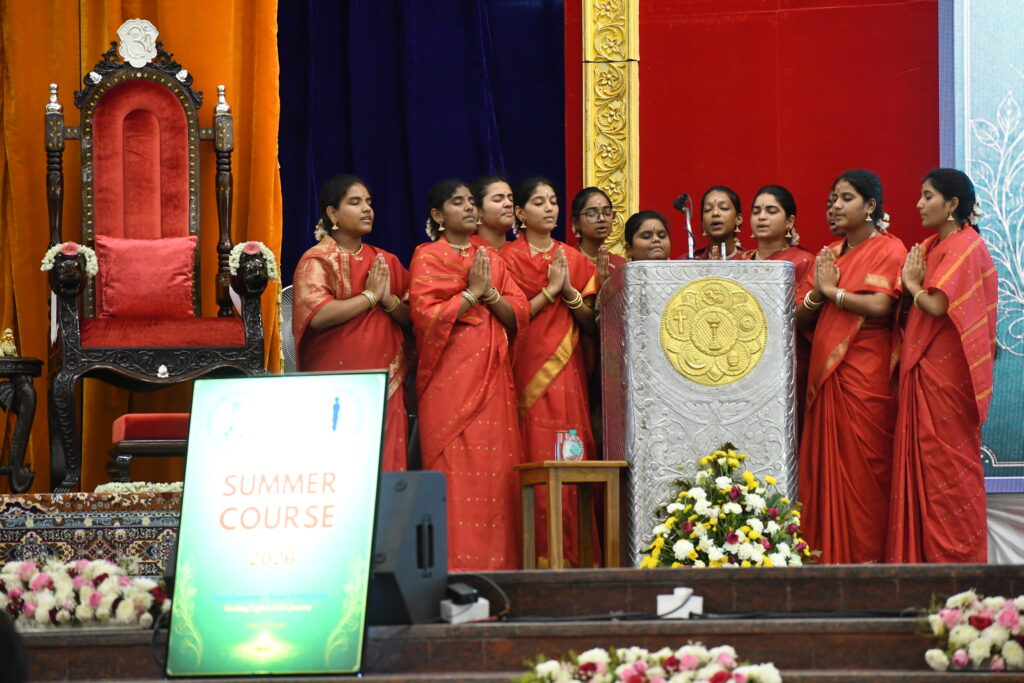
The internships offer students an invaluable opportunity to engage in collaborative research at the intersection of quantitative sciences and healthcare, while gaining exposure to real-world public health and biomedical challenges.
CEMB is grateful to all collaborating faculty members and mentors for their guidance, support, and commitment to fostering interdisciplinary academic research.
Read More